Sector Deep Dives
Long-form analysis of the technologies and sectors reshaping markets — AI infrastructure, quantum, energy, and frontier compute — read through the Strata decision-science lens.
Agentic AI Adoption Forces Multiple Compression Across Mid-Cap Enterprise SaaS Equities
The migration from per-seat software licensing to autonomous, outcome-based AI agents is fracturing traditional enterprise SaaS valuation models. As autonomous workflows capture gross margins, institutional investors are aggressively revising terminal growth assumptions for mid-cap horizontal software providers.
The Evolution of AI Quantitative Hedge Funds: From Statistical Arbitrage to Decision Science
Explore how Venture Science and its Strata fund lead next-generation quantitative investing using the proprietary Helix AI decision platform.

Selective AI Earnings Momentum Drives U.S. Tech Rally Amid Growing Sector Dispersion
U.S. equity benchmarks advanced on August 4 as specific AI-linked earnings beats decoupled from broader macro concerns, rewarding idiosyncratic performance over uniform sector growth.

August 2026 Market Outlook: Mega-Cap AI Resilience Faces Seasonal Volatility and Hawkish Fed Policy
A late-July rally led by cloud infrastructure giants has stabilized U.S. benchmarks, but persistent energy-driven inflation and a 'higher-for-longer' Federal Reserve stance set a complex stage for August trading.
Big Tech Earnings Cluster Turns AI Capex Into Market Stress Test
Microsoft, Meta, Amazon and Apple report into a market already punishing aggressive AI capex. With options implying mid‑single‑digit swings and Mag7 indices heavily concentrated, this week’s prints are a live test of whether investors still underwrite AI spend as a growth engine or as a margin risk.
Edge-AI Silicon Turns Hyperscaler Margins Into an Open Question
As AI inference migrates from centralized clouds to the device edge, value capture is tilting from hyperscale platforms toward edge-silicon and software stacks. The emerging dilemma for incumbents is whether they can cannibalize cloud economics fast enough to own decentralized AI.

AI Rotation or Tech Bubble? Repricing the Crowded Growth Trade
Major managers now frame the AI-led selloff as a “healthy rotation” rather than a bubble burst. For institutions overweight semis and AI, that view is a live underwriting decision on factor risk, crowding and how far leadership can broaden without breaking the core growth thesis.
OpenAI, Tesla, Nvidia, SpaceX Pull Big Tech Valuations Tight
Valuations for AI, EV, semiconductor and space leaders are converging at trillion‑dollar scale, forcing allocators to model how private IPO candidates and public megacaps reprice each other in a reflexive race for index share.
Semiconductor Rebound Tests Crowded AI Trade After $1T Rout
A 5.6% jump in the SOX and strength in MU, AMD and INTC reversed Friday’s $1 trillion AI-chip wipeout. With tech positioning near record highs and macro risk ahead, the move is a Bayesian test of whether this is durable mean reversion or a short-covering trap.

Big Tech Turns Net Seller As SpaceX and Google Tap Markets
Google’s reported $85B stock sale and SpaceX’s targeted $75B IPO mark a shift from buybacks to capital extraction. The critical question is whether public markets can absorb repeated mega-raises without repricing risk across tech.

AI Megacap Divergence Tests the Durability of Winner-Only Capital Allocation
The AI trade has compressed into a handful of platform winners, driving extreme internal dispersion across tech indices. The question now is whether current multiples reflect durable cash-flow visibility or a momentum reflex vulnerable to the first capex disappointment.
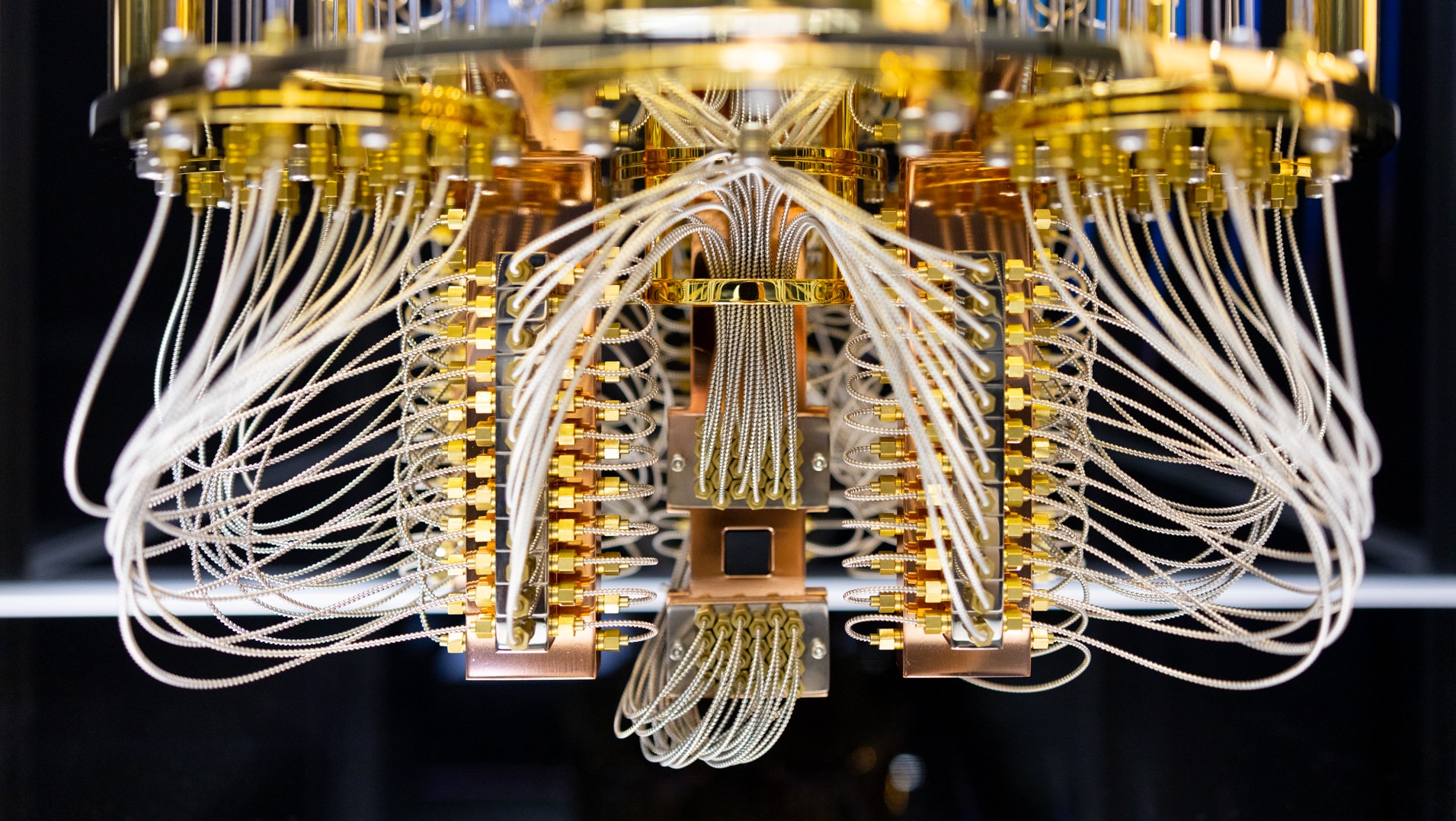
AI Infrastructure Hits a Funding Wall at the Power Meter
Hyperscaler capex is compounding, accelerators remain supply‑constrained, and grid bottlenecks are turning data center siting into an energy arbitrage. The open question is whether training economics ever translate into durable inference margins.

Quantum Computing Becomes a Sovereign Project for Major States
Washington and Paris now treat quantum computing as a strategic asset, pairing subsidies with equity stakes and procurement to build national value chains and reduce dependence on foreign technology.